Cracked and Chipped Teeth
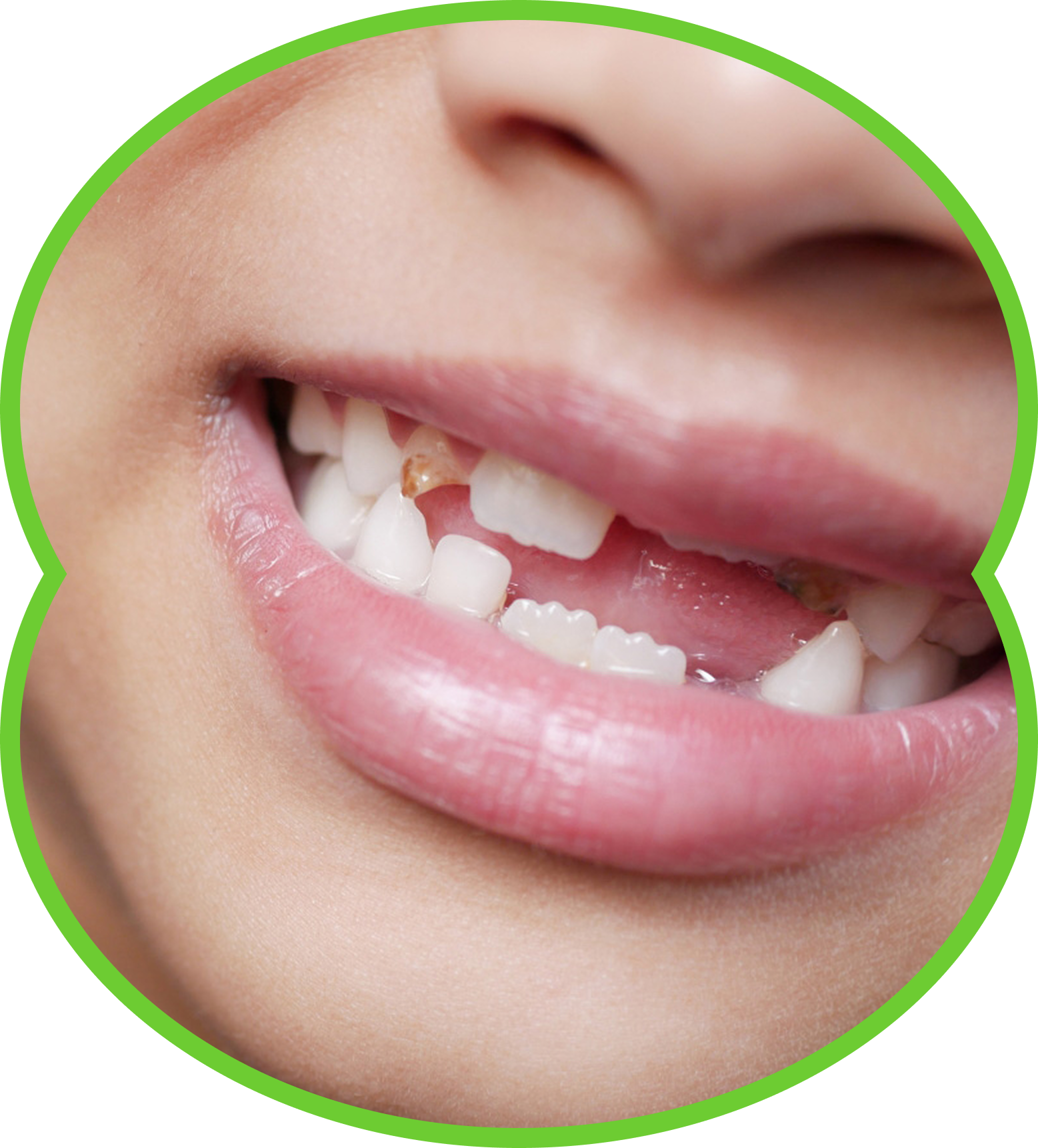
Cracked and chipped teeth can occur from biting hard foods, grinding your teeth, or experiencing an injury to the mouth. A chipped tooth child or cracked tooth child should be evaluated promptly, as even minor chips can expose the sensitive layers beneath the enamel, leading to pain, temperature sensitivity, and a higher risk of infection. Prompt evaluation and treatment are essential to prevent further damage and protect your natural tooth structure.
Understanding And Treating Tooth Damage
When a tooth is cracked or chipped, professional care can restore its strength and appearance with pediatric tooth repair and chipped teeth repair.
Bonding to repair small chips and restore shape
Crowns to strengthen compromised teeth
Veneers for cosmetic enhancement of front teeth
Root canal for deep cracks that affect the pulp
Prevention Tips for a Healthy Smile
Keeping your teeth strong helps prevent chips, cracks, and children's dental injuries from happening in the first place. Our top tips include:
Use a custom-fitted guard during sports or if you grind your teeth at night to help prevent sports dental injuries.
Limit chewing on ice, hard candy, or non-food items that can weaken enamel.
Routine checkups allow us to spot early signs of wear, weakness, or kids dental trauma.
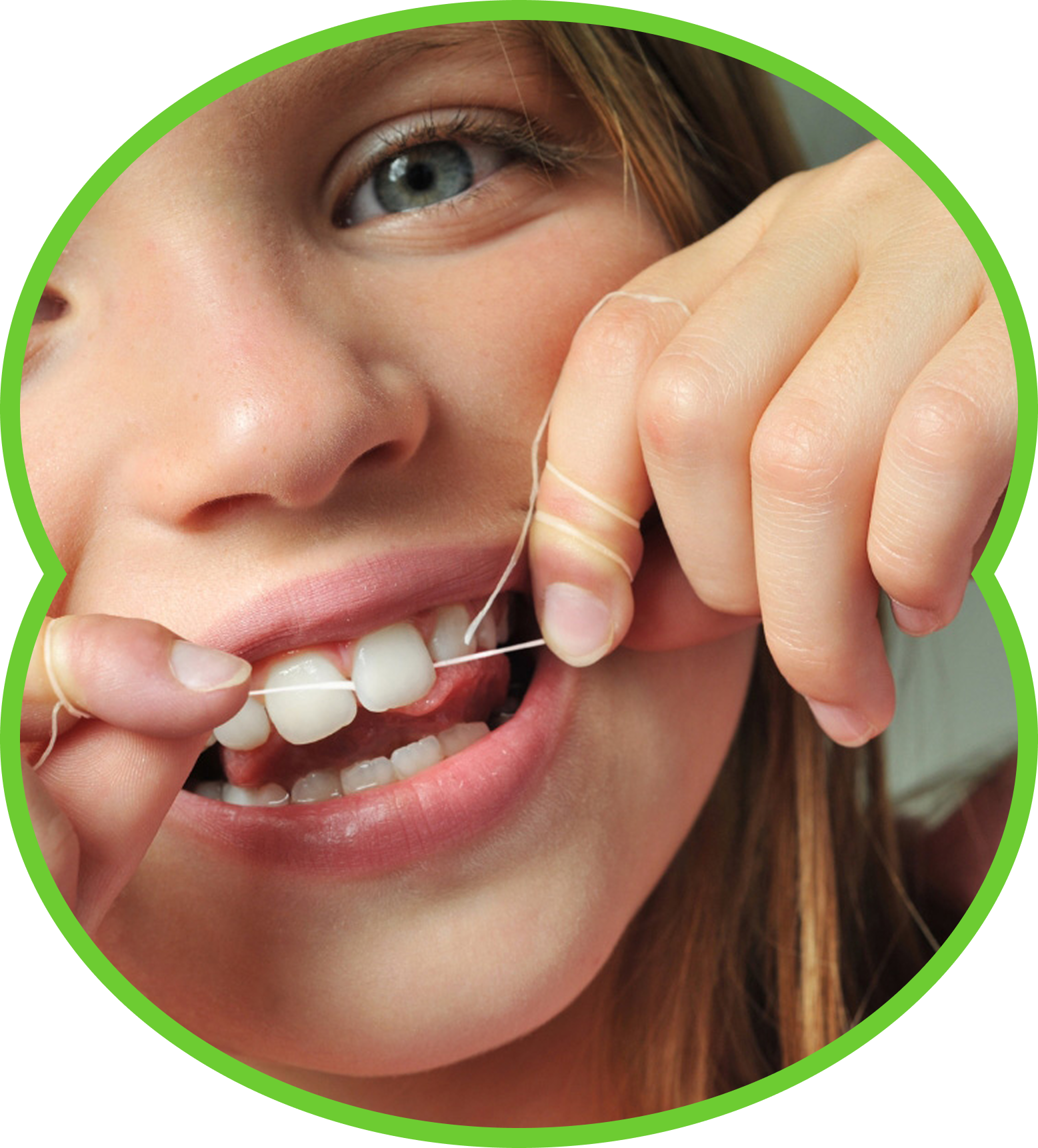
Brush twice daily and floss to keep enamel strong and healthy.